The best Italian shops, delivered to your home.
Sign upNegozio in pausa
Il venditore ha sospeso temporaneamente le vendite.
MEASURE YOUR IMPACT
Scopri come utilizziamo oltre 20 indicatori per calcolare la sostenibilità dei nostri prodotti. Indicatori qualitativi e quantitativi, oggettivi e misurabili.
€5.90 delivery fee
Delivery Friday, Nov 6
if you order within 0 minPossible delivery delays
Due to transport strikes, deliveries may be delayed by a few days compared to the estimated date.
In stock
Purchase protected by commercioVirtuoso
4.3 from 3,364 reviewsTrustpilot(opens in a new tab)If your item doesn't arrive or isn't as described, we guarantee your refund. Over 1,000,000 products delivered. How the guarantee works
Sign up on commercioVirtuoso.it to get free delivery on your first eligible order. Create an account now →
This product is shipped from Italy. If you buy from multiple sellers, the overall shipping fee is calculated at checkout.
Possible delivery delays
Due to transport strikes, deliveries may be delayed by a few days compared to the estimated date.
Delivery times are estimated from this seller’s last 20 shipments. Delivery is on business days only; the order ships on the first business day after you place it.
You have 15 days from delivery to return this product. Returns are guaranteed and you’ll get a return shipping label.
To start a return you need a registered account: guest-only purchases can’t open a return until the order is linked to your profile.
With an active account, go to My orders and select the order to return items from.
More on returns and refunds →Your purchases on commercioVirtuoso.it are covered by the marketplace guarantee. We also work to protect your data and privacy with payment systems that encrypt your details in transit. We never share your card data with third parties and we safeguard your personal data.
Why does this product have a 50% sustainability index? How the index works
Italian seller
Sold by a local business
Shipped from Italy
Lower delivery-related CO₂
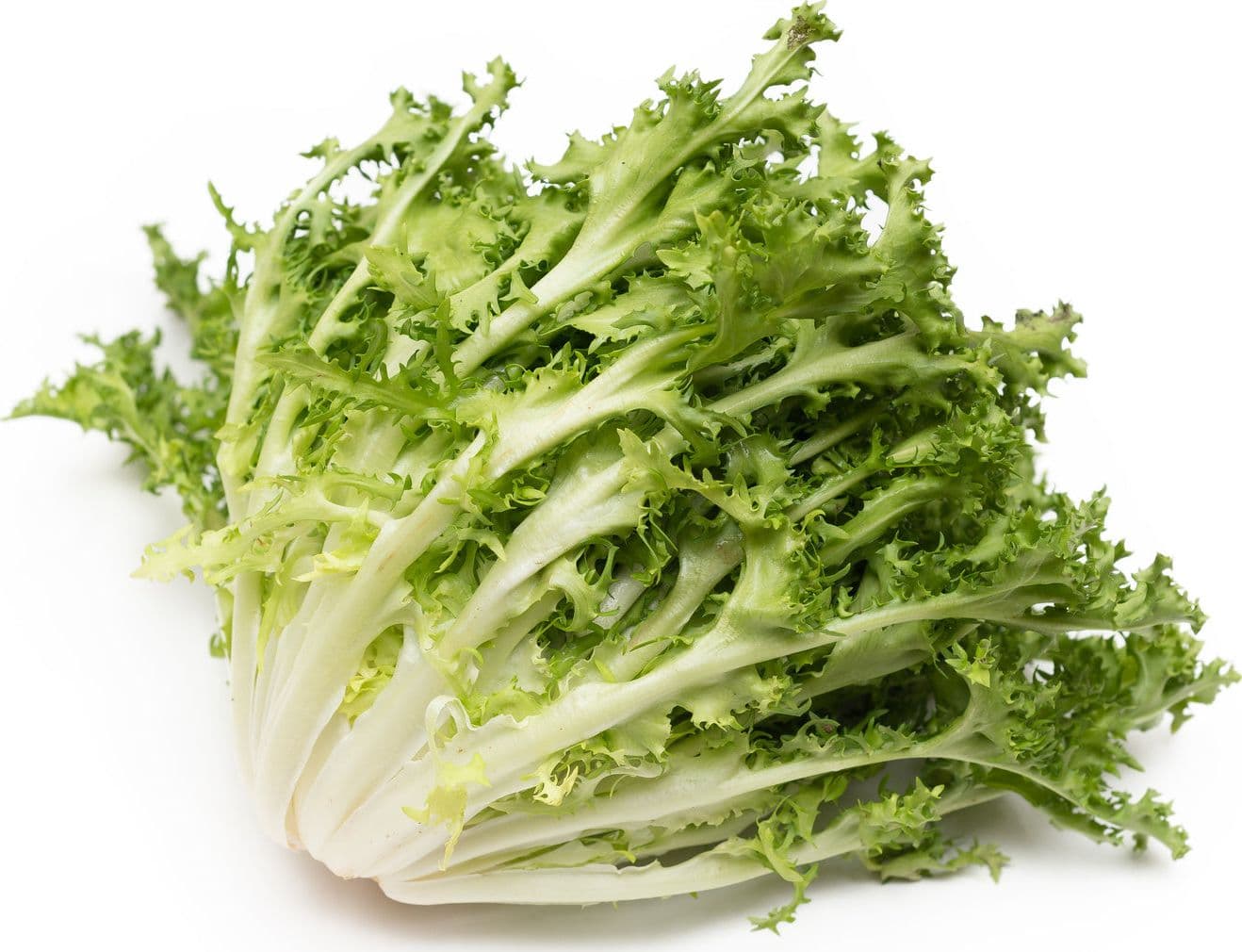
Semi di invidia "Scarola cardoncello barese" piante per orto e giardino coltivazione domestica e professionale
€5.90 delivery fee
Semi di invidia "Scarola cardoncello barese" piante per orto e giardino coltivazione domestica e professionale
€5.90 delivery fee
La Scarola cardoncello barese
(Chicorium endivia) è una pianta, appartenente alla famiglia delle Astaraceae (o Composite), caratterizzata da una “rosetta” di foglie con lembi molto increspati, che formano un cespo.
Il gusto è lievemente amarognolo, può essere consumata sia cruda che cotta. Esistono diverse varietà di Indivia Riccia, tra le quali “Riccia fine d’estate", “Riccia fine di Ruen”, “Riccia grossa di Pancalieri” e “Riccia a cuore giallo” e “Riccia di Moncalieri”. Esiste anche la varietà Scarola, dalle foglie carnose e e meno arricciate.
I semi si piantano in semenzaio da maggio a luglio. Il trapianto delle piantine si effettua appena sviluppano le prime foglie. Richiede irrigazioni frequenti e regolari.
Con la pratica dell’imbianchimento della parte centrale, detta anche Grumolo - che si effettua riunendo le foglie e legandole con un elastico (o con della rafia) - si ottengono cespi teneri e di sapore delicato. La raccolta si esegue quando il cespo è imbianchito all’interno. La raccolta, in base al periodo di semina, si effettua in autunno, in inverno o all’inizio della Primavera.
L’Indivia contiene pochissime calorie (17 per 100 g) ed è composta per più del 90% da acqua. Contiene Fibre, Carotenoidi, Vitamine A, C, K e Vitamine del gruppo B. L’Indivia Riccia contiene anche Inulina e diversi sali minerali, tra i quali Calcio, Ferro, Manganese, Potassio e Rame.